
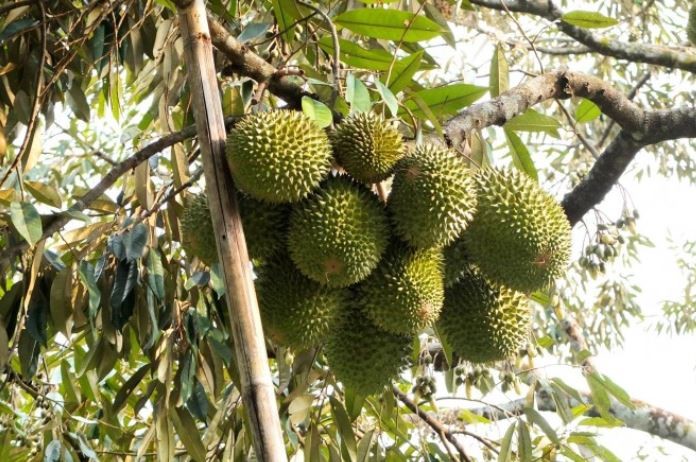
Bentong-Negri Sembilan Durian tour 13th to 16th July 2026 in conjunction with WTS Travel
$638 (twin) $848 (Single) / Per person
- 3 Days
- Bentong -Negri Sembilan Malaysia
BENTONG – NEGRI SEMBILAN DURIAN TOUR ITINERARY Departure Date: 13 – 16 July 2026 13th July 2026: Singapore – Bentong (Lunch & Dinner) 07.45AM: We would meet and assemble at Newton Car Park. Once all members have arrived punctually. We will depart for 2nd link Tuas Checkpoint for Immigration and Customs clearance for both […]
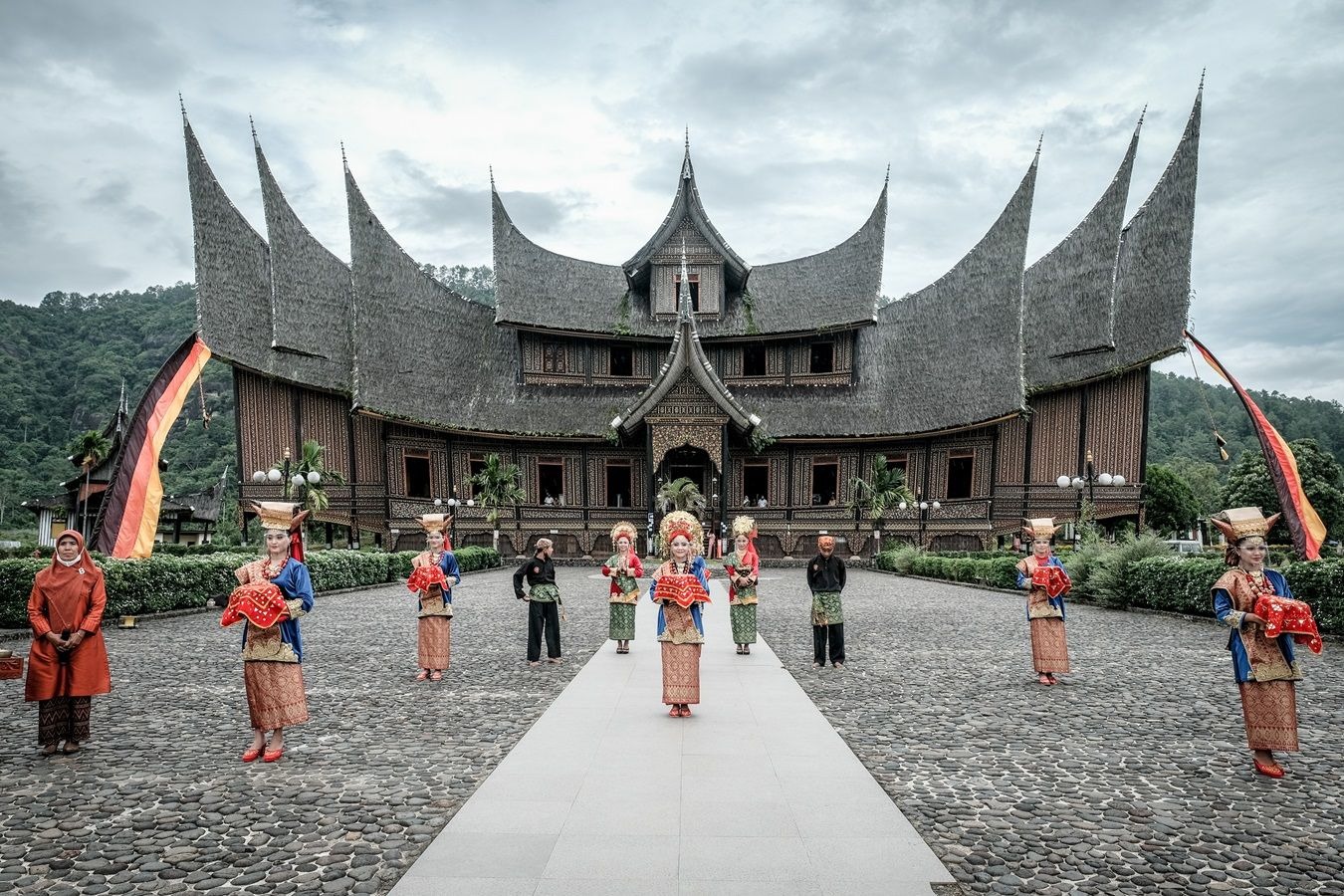
Minangkabau Experience Padang 6 Days 5 Nights 10th to 15th Aug 2026 jointly organized with ISE Travel
$1,050 (Twin) $1,250 (Single) / Per person
- 6 Days 5 Nights
- Padang ,Indonesia
The Minangkabau’s West Sumatera homeland was the seat of the Pagaruyung Kingdom, believed by early historians to have been the cradle of the Malay race, and the location of the Padri War (1821 to 1837). Minangkabau are the ethnic majority in West Sumatra and Negeri Sembilan.
The Minangkabau are the largest matrilineal society in the world, with property, family name and land passing down from mother to daughter. Minangkabau women hold prominent roles in virtually all spheres of life. Women usually run the household, play prominent public roles, and lead cultural ceremonies and festivals.
Cooking delicious food is one of the culture and habits of the Minangkabau people. Minang people usually sell their specialties such as rendang, asam padeh, soto padang, sate padang, and dendeng balado at a restaurant known as Padang Restaurant. Rendang, one of the Minangkabau specialties, has been named the most delicious food in the world. Let’s explore the culture of the Minangkabau! [August is also the durian season in Padang]
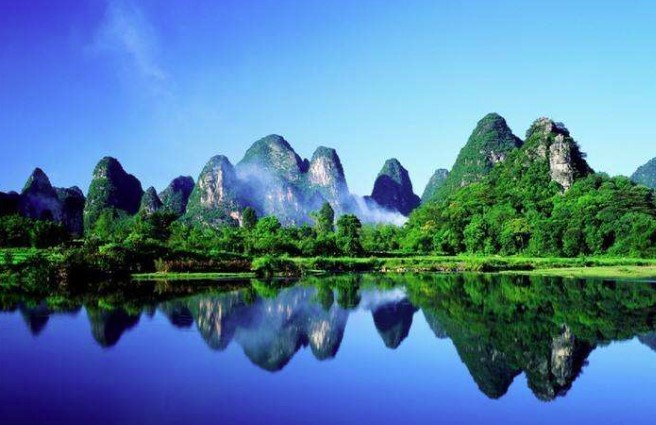
9 Days Guizhou/Guilin Scenic tour in conjunction with Travel Hub 22nd to 30th Oct 2026
$2,880(Twin $ 3,480 (Single) / Per person
- 9 Days
- Guizhou-Guilin
Guizhou and Guilin each offer their own unique charm in Southwest China.
Guizhou is known for its unspoiled landscapes, vibrant ethnic culture, and natural wonders like Huangguoshu Waterfall and impressive karst formations.
Guilin captivates visitors with its world-famous karst peaks and winding rivers, from the picturesque Li River to iconic spots such as Elephant Trunk Hill and Reed Flute Cave.
Both destinations promise beautiful scenery and unforgettable travel experiences.
12 Days 13 Nights Cruise to Phuket, Penang, Port Klang, Celukang Bawang, Bali & Lombok 5th to 18th Dec 2026
$4,315 Twin Veranda $ 3,,525 Twin Ocean, $ 3,425 Twin State / Per person
- 12 Days 13 Nights
- Phuket,Penang,{Port Klang, Celukang Bawang, Bali & Lombok
12 Days 13 Nights Adventure Holiday Cruise Ports of call: Singapore Cruising (1 day) Phuket Penang Port Klang Cruising (2 days) Celukan Bawang, Bali, Indonesia Benoa, Bali, Indonesia Lombok, Indonesia Cruising (2 days) Singapore 04 Balcony cabins availableTwin Sharing Veranda SGD4,315 per person Twin Sharing Ocean View SGD3,525 per person 04 Interior cabins availableTwin […]
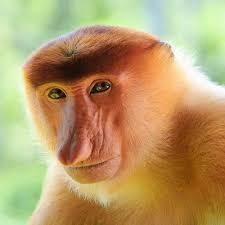
6 Days Sabah with Sandakan (2th – 7th September 2026) inconjunction with ISE Travel
$1,690 (Twin) $ 1,975 (Single) / Per person
- 6 Days
- East Malaysia
Situated on the north-eastern coast of Borneo lies a beautiful city called Sandakan. Formerly known as Elopura, the town was once a thriving place for trades of pearls, camphor, tobacco, bee’s wax, edible bird’s nest, sea cucumber and timber. During that time, Sandakan was said to have the greatest concentration of millionaires in the world. However, things took a turn for the worst when the Japanese occupied the area during WWII. As the war continued and the Allied bombing in 1944, Sandakan was destroyed.
Sandakan today is the second largest city in Sabah after Kota Kinabalu. It is known as the gateway to various ecotourism destinations in Sabah such as the Sepilok Orangutan Rehabilitation Centre, Borneo Sun Bear Conservation Centre, Rainforest Discovery Centre, Labuk Bay Proboscis Monkey Sanctuary, Turtle Island Park and Kinabatangan River. Besides being known for its natural and historical wonders, Sandakan is also a food paradise – especially for its fresh seafood. So don’t forget to bring an appetite!
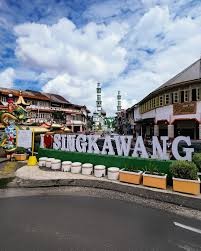
5 Days Pontianak Singkawang (3rd to 7th October 2026) in conjunction with ISE Travel
$980.00 (Twin) $1,110.00 (Single) / Per person
- 5 Days
- Indonesia
Pontianak and Singkawang are the two primary urban hubs of West Kalimantan, known for their unique blend of Malay, Chinese, and Dayak cultures. While Pontianak serves as the provincial capital and is defined by its position on the equator and the Kapuas River, Singkawang is a coastal “trading town” famous for its massive Chinese population and vibrant festivals. Pontianak was founded on October 23, 1771, at the confluence of the Kapuas and Landak rivers. Its history is rooted in the Pontianak Sultanate, established by Syarif Abdurrahman Alkadrie. But once the area around modern-day Pontianak was home to a self-governing Chinese entity known as the Lanfang Republic (1777–1884), often considered one of the world’s earliest republics. Founded by Hakka immigrant Luo Fangbo, it was a “kongsi” (trading partnership) republic that operated in the region. Located roughly 150 km north of Pontianak, Singkawang’s name is derived from the Hakka word “San Khew Jong” (Mountain-Mouth-Sea). Food culture in Pontianak and Singkawang, West Kalimantan, is a rich, syncretic blend of Chinese (primarily Hakka/Teochew), Malay, and Dayak influences. Known as a culinary paradise, the region features distinct street food, savory delicacies, and unique coffee culture, often featuring fresh, seafood-driven dishes and traditional snacks (eg choi pan).
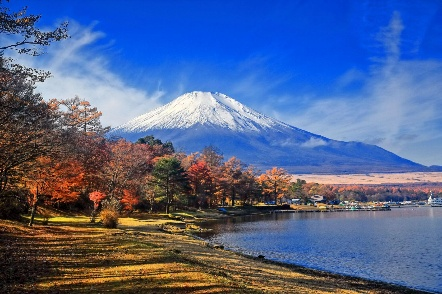
MT FUJI 5 LAKES TOUR 5TH TO 12 TH NOV 2026 INCONJUNCTION WITH ISE TRAVEL
$5,450(Twin) $6,100(Single) / Per person
- 8 Days 7 nights
- Japan
November is a spectacular time to visit the Fuji Five Lakes (Fuji Go Ko) area, offering crisp, clear air and vibrant autumn foliage that frames a snow-capped Mount Fuji. For senior travelers, the best foliage generally hits in mid-to-late November. The northern shore of Lake Kawaguchiko, particularly the Maple Corridor (Momiji Kairo), turns a brilliant, fiery red during this time.
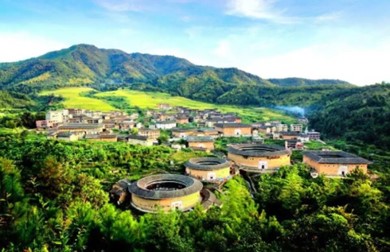
8 Days Xiamen-HakkaTulou-Shantou-Chaozhou Tour in conjunction with Travel Hub
$2,880(Twin) $ 3,430 (Single) / Per person
- 8 Days
- Xiamen China
Step into the charming and artistic city of Xiamen, visit the UNESCO World Heritage Site of Gulangyu Island, stroll along the beautiful Huandao Road, and enjoy the relaxing coastal atmosphere. Explore the UNESCO World Heritage Site of Yongding Tulou and experience the unique Hakka architecture and rich local culture. Continue to the food paradise of Chaoshan, where you can savour famous local delicacies such as beef hotpot and authentic Chaozhou cuisine while discovering the unique traditions and cultural heritage of the region.
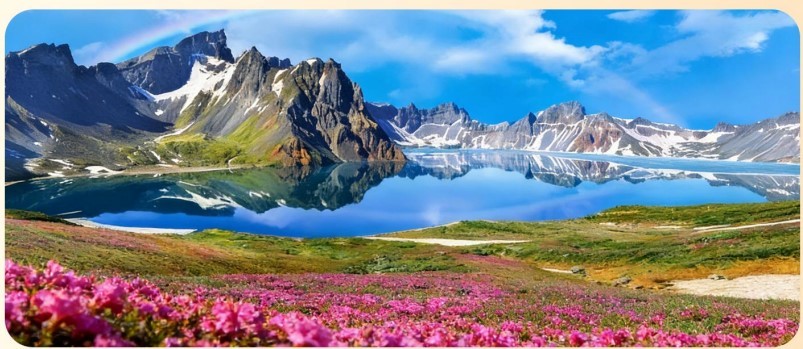
8D 7N North East China (Shenyang-Changchun Baishan-Jingpo Lake-Jilin-Shenyang) Tour inconjunction with Light & Salt Education
$2,699 (Twin) $3,299 (Single) / Per person
- 8 Days
- North East China
Northeast China, historically known as Manchuria encompasses the provinces of Liaoning,Jilin, and Heilongjiang, as well as the eastern part part of inner Mongolia. Known as China’s “rust belt” and major agricultural base, the region features a unique culture, famously cold winters, and affordable living